Monopoly: 100% Working Methods — Complete Guide to Success

Introduction
Monopoly is one of the world’s most iconic board games, loved by millions for its mix of strategy, luck, and negotiation. From its humble beginnings in the early 20th century, Monopoly has evolved into a cultural phenomenon, played both on physical boards and digital platforms. Whether you play Monopoly in person or through online apps, the thrill of acquiring properties, building hotels, and bankrupting your opponents remains timeless.
But here’s the truth — not everyone knows how to win at Monopoly consistently. Many people rely on luck, dice rolls, or random decisions. However, Monopoly isn’t just a game of chance; it’s also a game of strategy, mathematics, and psychology.
In this detailed guide, we will explore the 100% working methods to dominate Monopoly. You’ll learn what the game is, how it works, why these strategies are effective, and what benefits you can enjoy by mastering them.
What is Monopoly?
Monopoly is a real estate trading board game where players buy, sell, and trade properties to accumulate wealth and force opponents into bankruptcy. It was first published by Parker Brothers (now owned by Hasbro) and has countless editions worldwide.
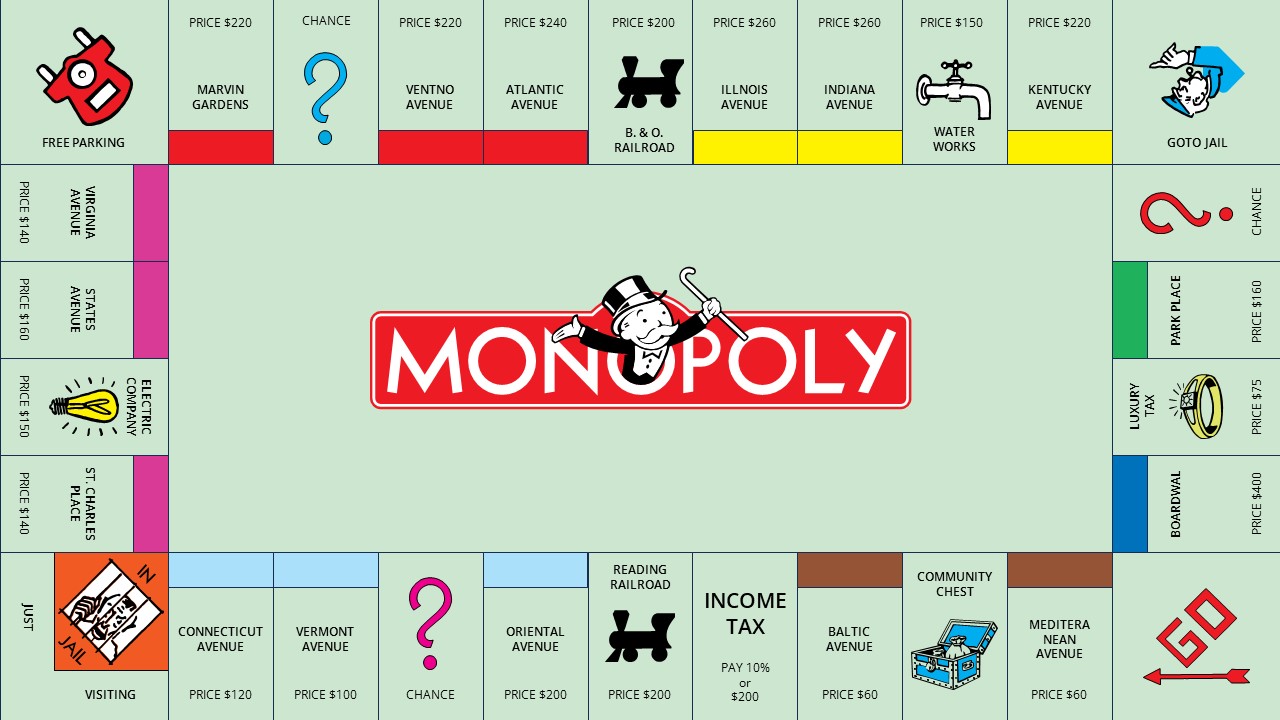
The game board features 40 spaces, including 28 properties, 4 railroads, 2 utilities, 3 Chance spaces, 3 Community Chest spaces, the Jail, Free Parking, and Go to Jail.
Main Objective
The ultimate goal in Monopoly is simple: become the wealthiest player by bankrupting all others. You achieve this by acquiring properties, developing them with houses and hotels, and collecting rent from opponents who land on your spaces.
Key Elements of Monopoly
- Money Management: Players start with a fixed amount of cash and must decide how to spend or save it wisely.
- Property Ownership: Buying the right properties gives you control of color sets, which can later be upgraded.
- Building Strategy: Placing houses and hotels increases rent and revenue potential.
- Trading and Negotiation: Deals, trades, and alliances play a major role in victory.
- Luck Factor: Dice rolls, Chance, and Community Chest cards introduce unpredictability.
How Monopoly Works
Understanding how Monopoly works is crucial before applying the 100% working methods. The flow of the game combines chance with skillful decisions.
- Starting the Game – Each player starts with $1500 and takes turns rolling two dice.
- Movement Around the Board – Players move clockwise according to dice rolls.
- Property Purchase – When you land on an unowned property, you may buy it at its printed price.
- Rent Payment – If you land on someone else’s property, you must pay rent as specified.
- Building Development – Once you own all properties of a color set, you can build houses or hotels to increase rent.
- Trading and Mortgaging – Players can trade or mortgage properties to raise funds.
- Bankruptcy – When a player cannot pay debts, they go bankrupt, and their assets are distributed accordingly.
- Winning the Game – The last player remaining after all others have gone bankrupt wins.
Now that we understand the basics, let’s explore the 100% working methods that separate winners from the rest.
Monopoly 100% Working Methods
These are proven, expert-level strategies that significantly boost your chances of winning Monopoly — both in physical and online versions.
1. Prioritize Property Acquisition Early
In the early game, buy every property you land on. The more properties you control, the higher your chances of building monopolies and increasing rent later.
Even seemingly less profitable spaces like utilities or railroads can become valuable bargaining tools for trades.
Why it works:
Early dominance in property ownership gives you leverage and restricts your opponents’ opportunities.
2. Focus on the Orange and Red Property Sets
Statistical studies show that orange and red properties (St. James Place, Tennessee Avenue, New York Avenue, and Kentucky, Indiana, Illinois Avenues) are landed on most frequently.
Why it works:
These sets are located just after the Jail, meaning players exiting Jail often land there. The rent on fully developed orange or red sets can quickly deplete opponents’ cash.
3. Always Aim for Full Sets
A single property won’t win the game. Your main goal should be to complete a color set as fast as possible. Once completed, immediately start building houses — at least three per property to maximize return on investment.
Why it works:
Owning a full color set allows development, which transforms your properties into rent-generating powerhouses.
4. Master the Art of Trading
Negotiation is where real skill shines. Offer trades that seem beneficial to others but strategically advantage you in the long run.
Bundle cash, railroads, or utilities to get color sets. Always think ahead — even a small short-term loss can lead to long-term domination.
Why it works:
Trades can complete your monopoly while destabilizing your opponent’s position. Smart trades win games more than dice rolls do.
5. Build Three Houses, Not Four
Once you own a color set, build three houses on each property. The rent jump from two to three houses is massive, while the jump from three to four is smaller.
Avoid overbuilding — keep some cash in reserve for rent payments.
Why it works:
Three houses per property maximize profitability with minimal risk.
6. Manage Cash Wisely
Never run your balance too low. You need cash on hand to survive bad luck or high rent.
Avoid unnecessary spending and be ready to mortgage lower-value properties in emergencies.
Why it works:
Many players lose because they can’t pay a single large rent. Liquidity equals survival.
7. Use Jail to Your Advantage
In the late game, staying in Jail can actually help you. You can still collect rent while avoiding high-rent properties owned by others.
Why it works:
Being in Jail during the late game limits movement but doesn’t stop income — it’s a safe zone.
8. Control the Railroads
Railroads are often underestimated. Owning all four railroads creates a stable income stream and can be a strong bargaining tool.
Why it works:
Players land on railroads frequently, and rent doubles with each additional one owned.
9. Mortgage Smartly
If you’re short on cash, mortgage properties that don’t form part of a monopoly. Keep your developed sets active since they bring the most income.
Why it works:
Smart mortgaging allows recovery without crippling your earning potential.
10. Stay Calm and Strategic
Emotions often ruin Monopoly strategies. Stay analytical — avoid revenge trading or overbidding just to hurt opponents.
Why it works:
Composure ensures rational decision-making, which leads to consistent success.
Why These Methods Work
The above strategies are effective because they combine statistical probability, economic logic, and human psychology. Monopoly is not purely random — it rewards calculated risks and shrewd business thinking.
- Mathematical Edge: Some properties statistically yield higher returns due to their board positions.
- Economic Balance: Knowing when to invest, save, or mortgage mirrors real-world financial strategy.
- Psychological Insight: Successful players exploit human behavior — negotiation, greed, and desperation.
- Long-Term Planning: Every move should set up future advantages, not just immediate profit.
By applying these methods, you transition from a casual player into a master strategist capable of controlling every aspect of the game.
Benefits of Mastering Monopoly Working Methods
Learning and applying the 100% working methods in Monopoly provides both gameplay and real-life benefits.
1. Enhanced Strategic Thinking
You develop long-term planning, risk assessment, and negotiation skills applicable in business and personal life.
2. Improved Money Management
Balancing spending, saving, and investing in Monopoly improves your understanding of real-world finance.
3. Stronger Analytical Skills
Calculating probabilities and potential outcomes strengthens your decision-making ability.
4. Better Emotional Control
Monopoly teaches patience and composure under pressure, as frustration can lead to costly mistakes.
5. Social and Communication Skills
Frequent trading and negotiation improve persuasive communication and cooperation abilities.
6. Entertainment with Purpose
It’s not just fun — it’s intellectually stimulating, competitive, and rewarding.
7. Boosts Cognitive Skills
Monopoly requires memory, focus, and strategic reasoning, enhancing mental agility.
Common Mistakes Players Make
To truly master Monopoly, you must also avoid common pitfalls:
- Ignoring trades that could complete your set.
- Building unevenly (always build evenly across a set).
- Running out of cash due to overbuilding.
- Overvaluing utilities or single properties.
- Making emotional decisions instead of logical ones.
Recognizing these mistakes early helps you stay ahead of competitors.
Advanced Monopoly Tactics
Once you understand the core methods, you can implement advanced-level tactics for even greater success.
1. Property Auction Manipulation
When an unpurchased property goes to auction, bid strategically to pressure opponents or get cheap deals.
2. Rent Trap Strategy
Build houses on mid-range properties to create “traps” where players are statistically most likely to land.
3. Deceptive Negotiation
Sometimes pretending weakness or disinterest can help you secure better trades.
4. Cash Pressure Technique
Force opponents to spend recklessly, leaving them vulnerable to bankruptcy when they land on your developed sets.
5. Timing the Build
Build strategically just before opponents complete a full rotation around the board — maximizing the chance of landing on your properties.
These methods elevate your gameplay to a professional level.
Why Monopoly Remains Timeless
Monopoly’s appeal lies in its blend of luck, strategy, and emotion. It’s a perfect metaphor for capitalism, negotiation, and resource management.
Even after a century, it continues to captivate players worldwide through digital apps, tournaments, and family game nights.
Modern digital versions, such as Monopoly GO, have revived the franchise for new generations, offering daily rewards, online competitions, and multiplayer modes.
The core principles, however, remain unchanged — strategic property control and financial mastery.
Frequently Asked Questions (FAQs)
1. What’s the best property set to own in Monopoly?
The orange property set (St. James Place, Tennessee Avenue, and New York Avenue) statistically offers the highest landing rate and best balance between cost and rent. Red properties are a close second.
2. Should I buy railroads or utilities first?
Buy railroads first. They provide consistent income and appear more frequently in player routes. Utilities are less profitable and situational.
3. When is the best time to build houses?
The best time to build is immediately after completing a color set, but only if you have enough cash left for emergencies. Building three houses on each property offers the best return.
4. Is it better to stay in Jail or get out fast?
Early game: Get out quickly to buy properties.
Late game: Stay in Jail to collect rent safely while avoiding expensive developed areas.
5. How can I recover from bad luck or near bankruptcy?
Mortgage non-critical properties, make trades to gain monopolies, and use negotiation to survive. Sometimes even selling a house or two can help you bounce back.
Conclusion
Monopoly isn’t just a board game — it’s a sophisticated simulation of strategy, economics, and human psychology. Winning consistently requires not just luck, but knowledge, timing, and tactical thinking.
By mastering the 100% working methods outlined above — from prioritizing property acquisition and focusing on key color sets, to trading smartly and managing cash flow — you can dominate every Monopoly match with confidence.
Remember: every decision, every trade, and every dice roll can shape your journey from an average player to an unstoppable property tycoon.
So, gather your tokens, roll the dice, and play Monopoly like a true strategist. The board is yours — build your empire wisely.














Post Comment